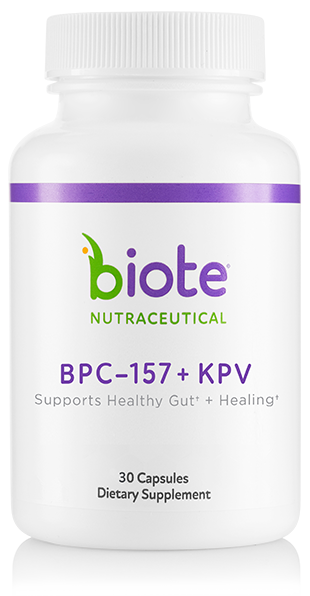
First characterised by Professor Predrag Sikiric and colleagues at the University of Zagreb in the early 1990s, BPC-157 has since become one of the most widely studied peptides in preclinical research, spanning gastrointestinal biology, musculoskeletal repair, neuroprotection, and cytoprotective signalling
If your levels are normal, well help you explore other possible causes of fatigue to ensure you and your family receive the most appropriate and effective care
Here are some signs you have PA: Early signs of pernicious anemia Fatigue (many people wake up tired despite getting enough sleep) Shortness of breath Feeling dizzy Loss of appetite Diarrhea or constipation Lightheadedness when standing up or moving around Pale or yellow skin (in people of European ancestry) Heartburn Swollen tongue Long-term signs of pernicious anemia Short-term memory loss Trouble with balance (for example, struggling to put on your pants or socks while youre standing) Burning feeling in your legs or feet that may get worse at night Depression Trouble focusing and confusion Cold hands and feet Hallucinations Eyesight problems Pernicious anemia tongue About 25% of people with pernicious anemia have symptoms on their tongues
The purpose of this post is merely to provide you with info and insights you can use to make such discussions more productive
Fresh meat (cooled, frozen or fresh) Freshly caught fish Chicken (skinned and fresh ) Egg yolk Fresh fruits with the exception of strawberries, most fresh fruits are considered to have a low histamine level (also see histamine liberators below) Fresh vegetables with the exception of tomatoes Grains rice noodles, yeast free rye bread, rice crisp bread, oats, puffed rice crackers, millet flour, pasta (spelt and corn based) Fresh pasteurised milk and milk products Milk substitutes coconut milk, rice milk Cream cheese, butter (without the histamine generating rancidity) Most cooking oils Most leafy herbs Most non-citric fruit juices Herbal teas with the exception of those listed as DAO blockers