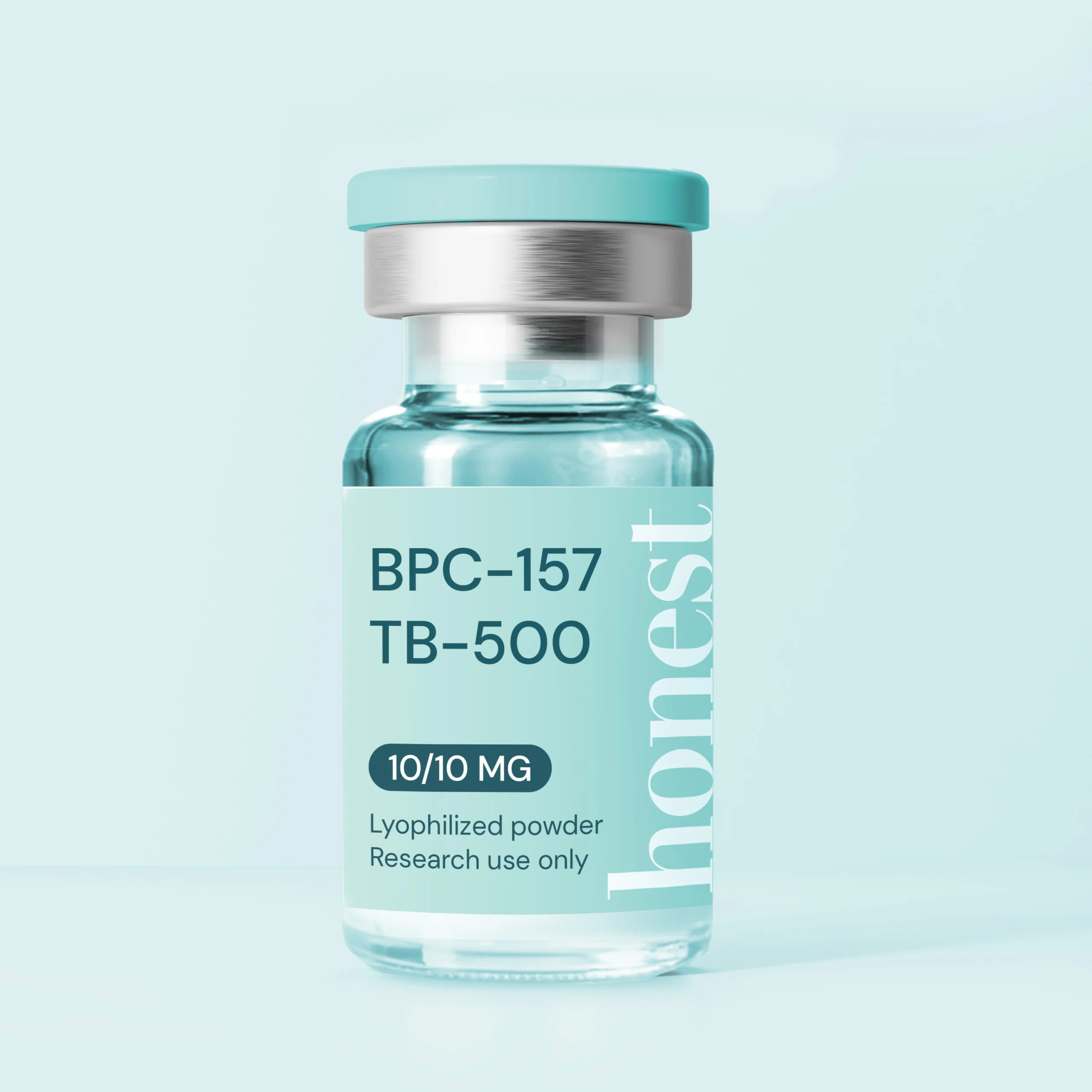
(Research Context) In controlled laboratory and in-vitro settings, KLOWs four constituent peptides have been examined across several complementary research areas: Tissue repair and regeneration BPC-157 and TB-500 are studied for their roles in fibroblast activity, angiogenesis, and connective tissue remodelling Inflammation modulation KPV (Lys-Pro-Val), a tripeptide derived from the C-terminal region of -melanocyte-stimulating hormone (-MSH), is studied for its ability to suppress NF-B signalling and reduce pro-inflammatory cytokine activity in preclinical models Extracellular matrix support GHK-Cu has been extensively studied in the context of collagen and elastin synthesis, wound healing models, and skin fibroblast activity Cell migration and cytoskeletal dynamics TB-500 (a synthetic fragment of Thymosin Beta-4) is examined for its role in actin regulation and how it influences cell movement and vascular response Gene expression modulation GHK-Cu has been reported in research to influence the expression of over 4,000 genes associated with tissue growth, repair, and immune balance Gut barrier and epithelial integrity Both KPV and BPC-157 have been investigated in models studying mucosal and epithelial barrier function The combined formulation allows researchers to investigate how these complementary mechanisms interact within regenerative and inflammatory research models an advantage over studying each peptide independently

A single vial of compounded tirzepatide is not cheap
Some people report improvement in long-standing tendon pain, but this is not clinical proof
However, Baca's poetic gifts shine in here, and there's some awesome stuff about oppression, resistance and community-building
By combining them, users may experience: Enhanced collagen synthesis Improved joint lubrication Faster tissue regeneration Reduced scar tissue Research Use Only Like most research peptides, BPC-157 and TB-500 are not FDA-approved for human use and are sold strictly for research purposes
1693, et seq