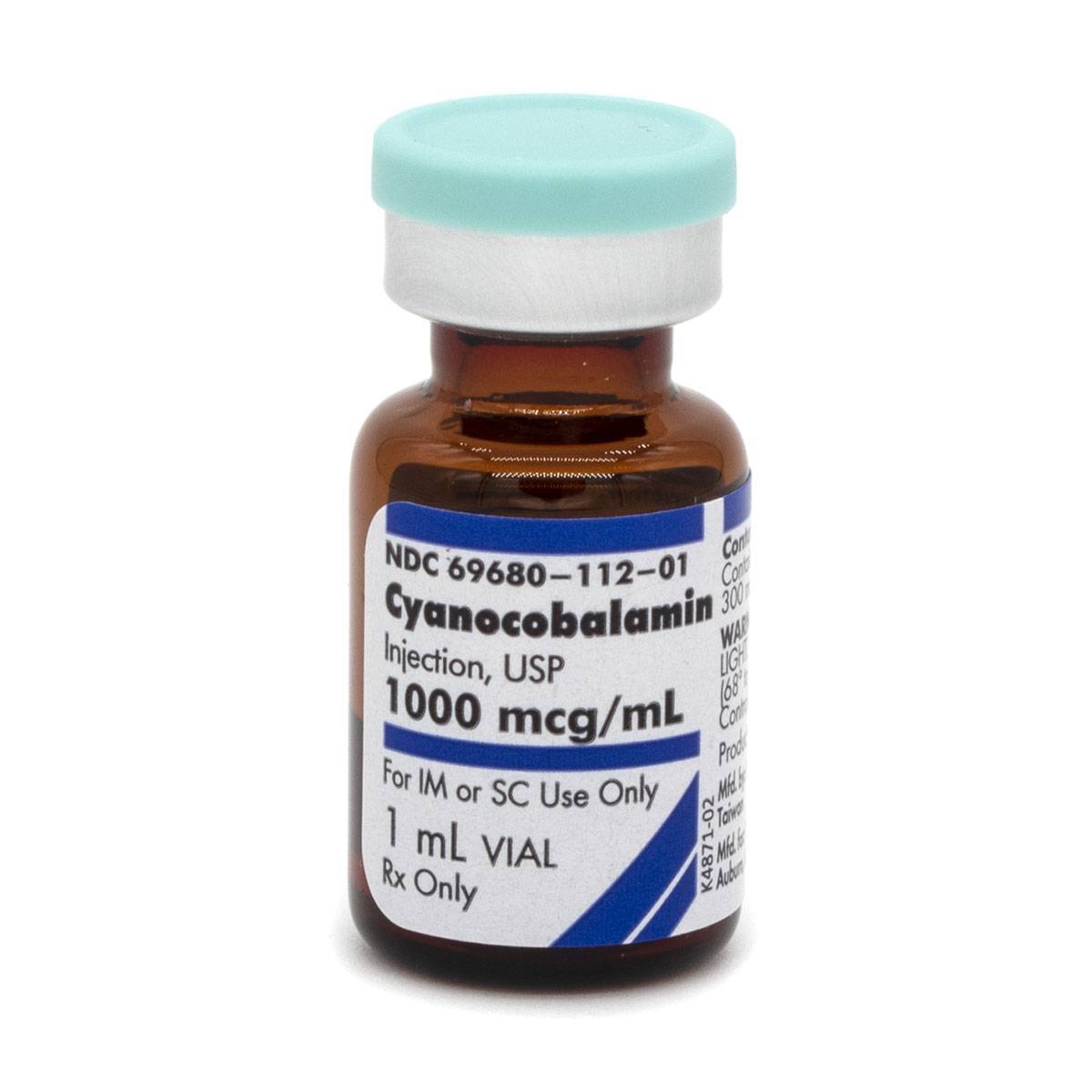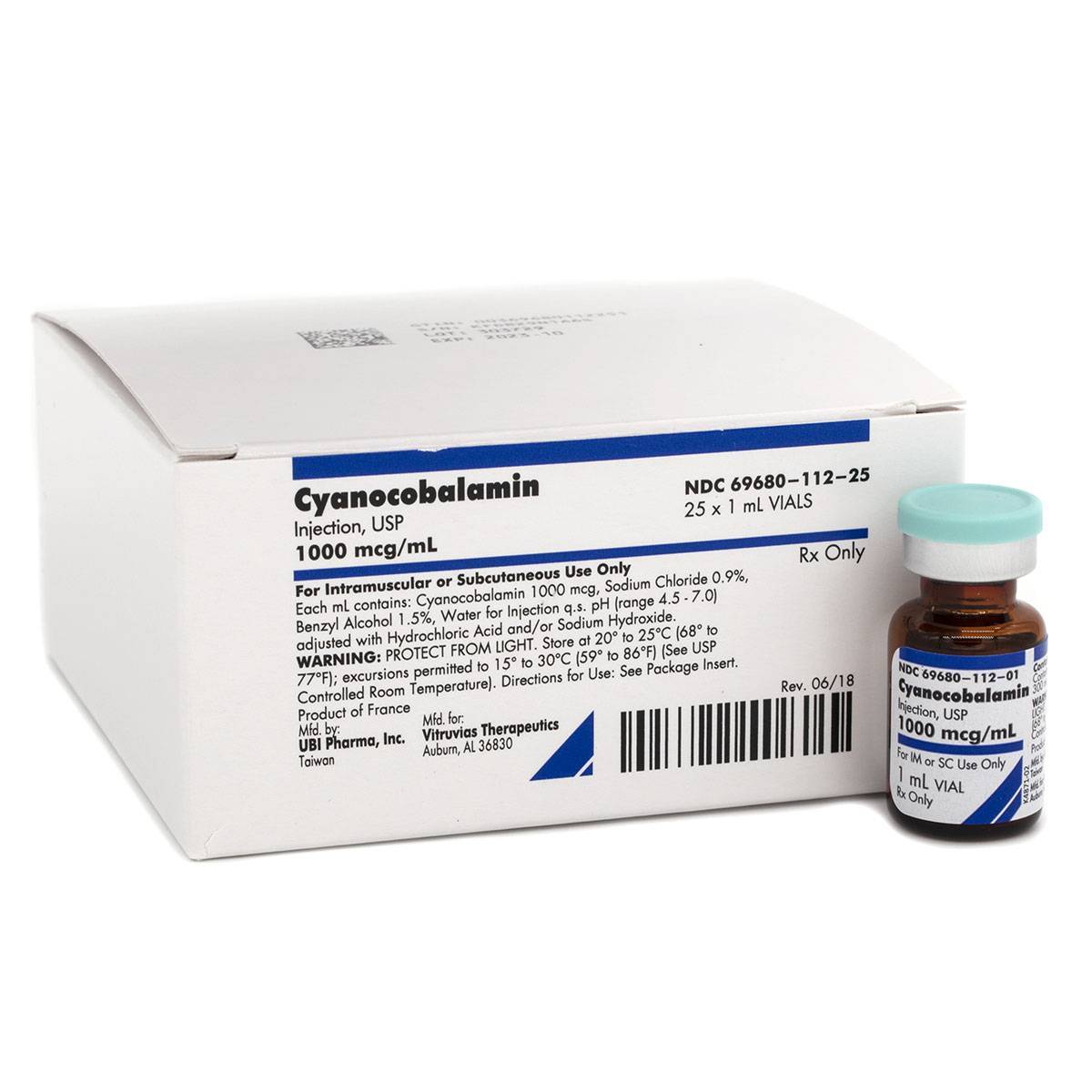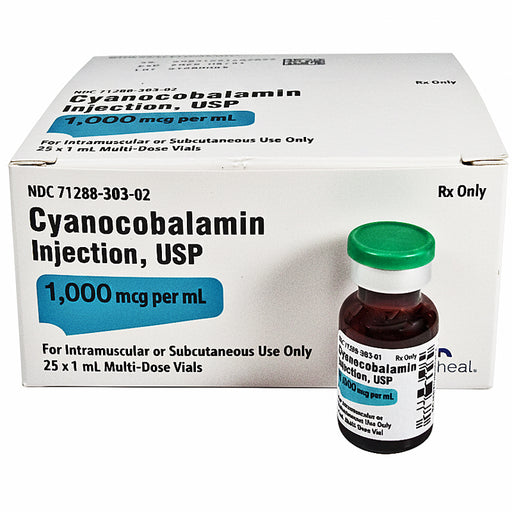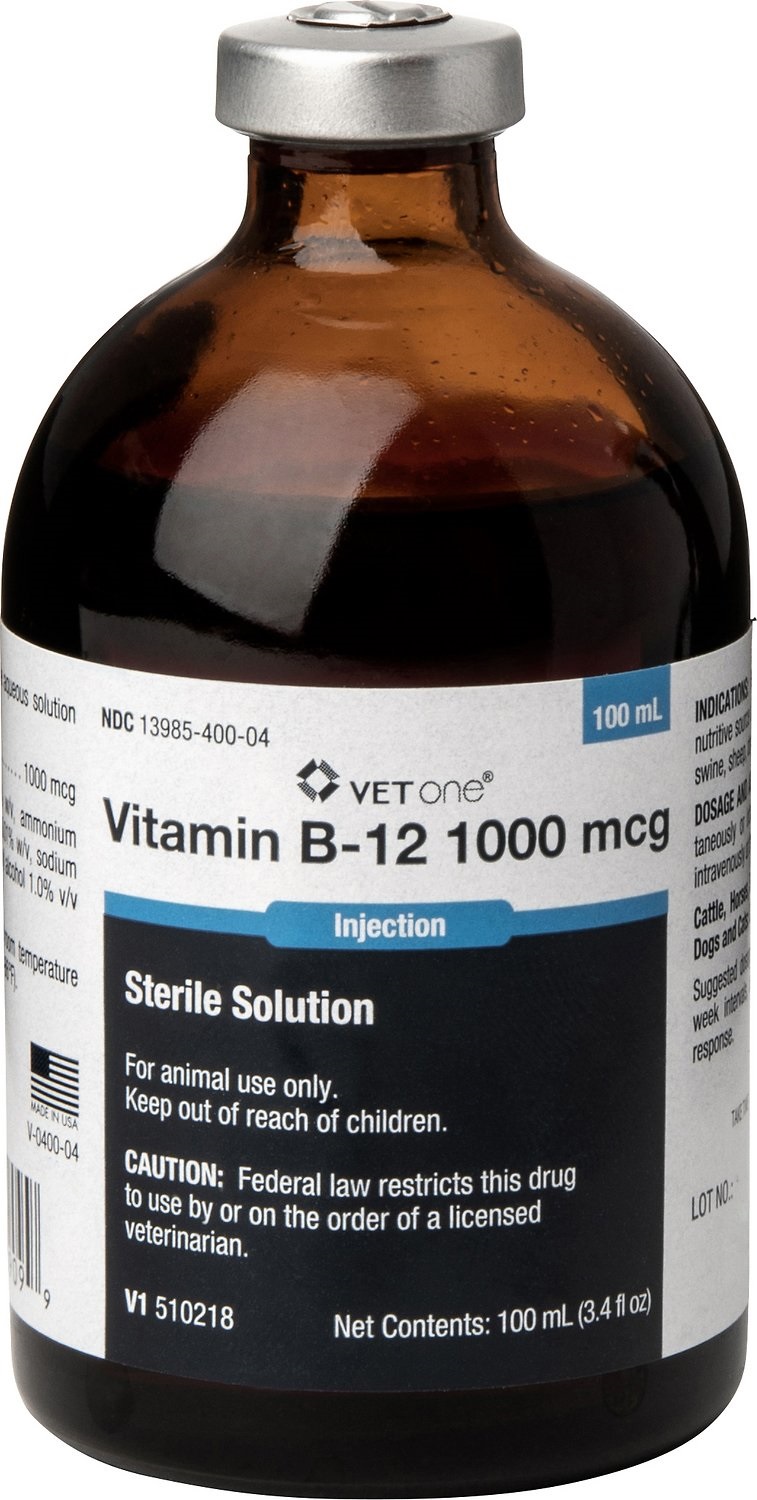
Warm the vial of medication by rubbing it between your hands before drawing the medication into the syringe
When administering B12 injections, the choice of needle size is crucial for ensuring the medication is delivered correctly and comfortably
Youll always know what to expect, upfront
AHK-Cu is a tripeptide, composed of the amino acids L-alanine, L-histidine, and L-lysine, chelated to a copper ion
Subcutaneous planning from a 50 mg vial reconstituted with 3.0 mL BAC water (~16.7 mg/mL) Phase Days 12 (tolerance) Daily dose 2.5 mg once daily Units on U-100 syringe 15 units Volume 0.15 mL Phase Days 3+ (standard) Daily dose 5 mg once daily Units on U-100 syringe 30 units Volume 0.30 mL Phase Split option (BID) Daily dose 2.5 mg twice daily Units on U-100 syringe 15 units each Volume 0.15 mL each Subcutaneous doses are much smaller than oral doses because of injection volume limits and because direct subQ absorption skips the gut

deficiency (more common in those following plant-based diets or with malabsorption) can cause palpitations and fatigue, primarily through anaemia [2] [3] Vitamin D some observational studies have suggested a possible association between low vitamin D and cardiac arrhythmias, though the evidence remains preliminary and no causal link has been established [20] [21] Calcium severe hypocalcaemia can affect cardiac muscle function, though this is rarely caused by dietary restriction alone and usually reflects an underlying medical condition If you are concerned about nutritional deficiencies, your GP can arrange appropriate blood tests, which may include a full blood count (FBC), ferritin, vitamin B12 and folate, and urea and electrolytes (U&Es), with magnesium and calcium checked if clinically indicated