Vol. XVIII · Free shipping $75+ · Read the collection
Feature · Product Review
endogenous glutathione adducts

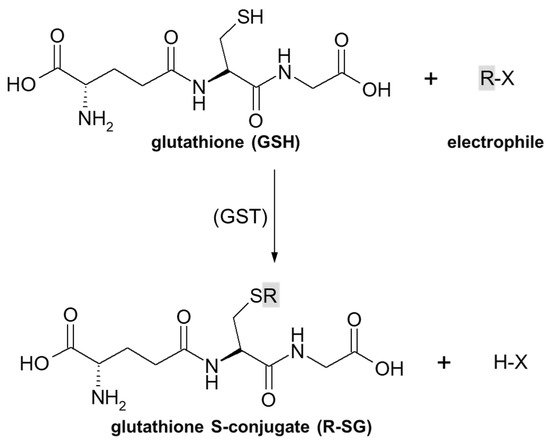
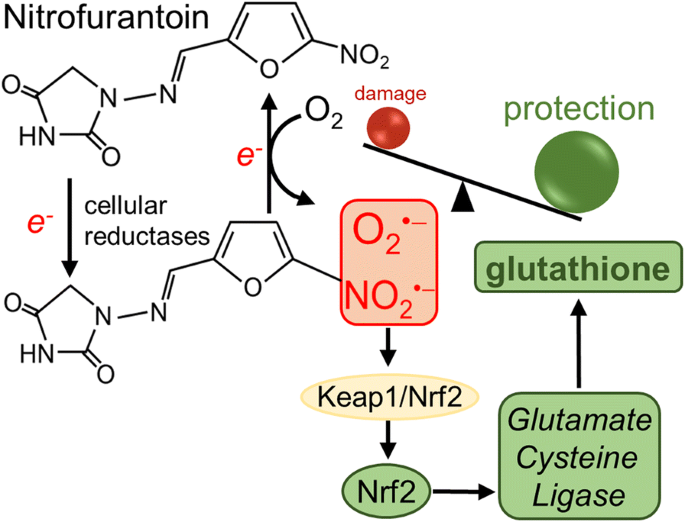
endogenous glutathione adducts Stimulation of de novo synthesis by nitrofurantoin for enhanced resilience of hepatocytes | Cell Biology and Toxicology Formation of γ-glutamyldehydroalanylglycine (EdAG) from

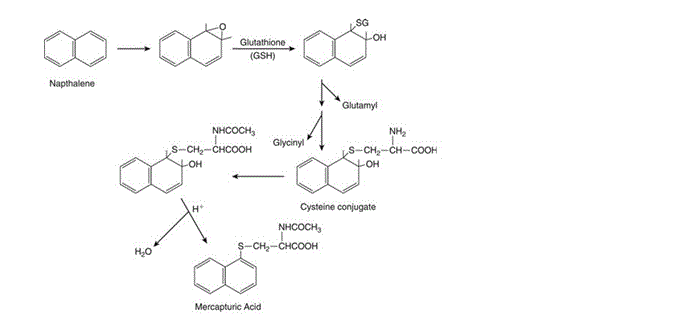
Formation of glutamyldehydroalanylglycine (EdAG) from glutathione and Download Scientific Diagram Glutathione Mediated Conjugation of Anticancer Drugs Encyclopedia MDPI Endogenous Glutathione Conjugates: Occurrence and Biological Functions Pharmacological Reviews Glutathione metabolic pathways and busulfan metabolism. Download Scientific Diagram Metabolism of Glutathione S Conjugates: Multiple Pathways PMC How glutathione acts to protect mammalian organisms from potentially toxic exogenous and endogenous compounds Ivory Research

SKU: 2536796984 · From elitechmx.com

4.5
USD28.98 USD58.98

Pay in 4 interest-free payments of $7.25 Learn more

Shipping Estimate
USA
  • USA
  • CAN

Ships within 48 hours · Estimated delivery Jul 30 - Aug 4

Description

doi: 10.1111/jdb.2019.11.issue-7 55 TianJDangHOlacoKASongMTiuBCGillesSet al

endogenous glutathione adducts Stimulation of de novo synthesis by nitrofurantoin for enhanced resilience of hepatocytes | Cell Biology and Toxicology Formation of -glutamyldehydroalanylglycine (EdAG) from

Key Properties Molecular formula: CHNOS Molecular weight: 307.32 Da CAS number: 70-18-8 Appearance: White to off-white lyophilized powder Solubility: Highly soluble in water (~200 mg/mL) Redox pair: GSH GSSG Standard redox potential: ~-240 mV at pH 7 The cysteine thiol group mediates antioxidant and detoxification activity, allowing glutathione to function as a reducing agent and nucleophile

endogenous glutathione adducts Stimulation of de novo synthesis by nitrofurantoin for enhanced resilience of hepatocytes | Cell Biology and Toxicology Formation of -glutamyldehydroalanylglycine (EdAG) from

(2025) 37:16986.e9

endogenous glutathione adducts Stimulation of de novo synthesis by nitrofurantoin for enhanced resilience of hepatocytes | Cell Biology and Toxicology Formation of -glutamyldehydroalanylglycine (EdAG) from

BPC-157 and PRP are increasingly used together in regenerative medicine, and the logic is sound

endogenous glutathione adducts Stimulation of de novo synthesis by nitrofurantoin for enhanced resilience of hepatocytes | Cell Biology and Toxicology Formation of -glutamyldehydroalanylglycine (EdAG) from

Biochim Biophys Acta Mol basis Dis 80:488498

endogenous glutathione adducts Stimulation of de novo synthesis by nitrofurantoin for enhanced resilience of hepatocytes | Cell Biology and Toxicology Formation of -glutamyldehydroalanylglycine (EdAG) from

Am J Clin Nutr (2022) 116:92842

endogenous glutathione adducts Stimulation of de novo synthesis by nitrofurantoin for enhanced resilience of hepatocytes | Cell Biology and Toxicology Formation of -glutamyldehydroalanylglycine (EdAG) from
Exchange/Return Notes
  • We offer a 30-day return/exchange service after receiving.
  • Final sale items are not eligible for returns or exchanges.
  • To process your return/exchange, please contact us at [email protected]
  • Please click here for more details>>> Return & Exchange Policy

You may also like

recommand products