The intricate local mechanisms contributing to T2DM involve metabolic signaling, alterations in mitochondrial metabolism, oxidative stress, endoplasmic reticulum stress, and localized inflammation ( 2.1 Mechanisms of altered gut microbiota in T2DM Microbial communities constitute the largest ecosystem within the human body, evolving concomitantly with human development ( From the esophagus to the rectum, variations in bacterial diversity, abundance, and quantity occur due to genetic predisposition, dietary factors, antibiotic use, and challenging Clostridioides difficile infections, resulting in alterations to the microbial community and dysbiosis ( Intestinal barrier, comprising immune, biological, mechanical, and mucous barriers, segregates the host from microorganisms in the intestinal lumen, limiting their movement ( Figure 1 )

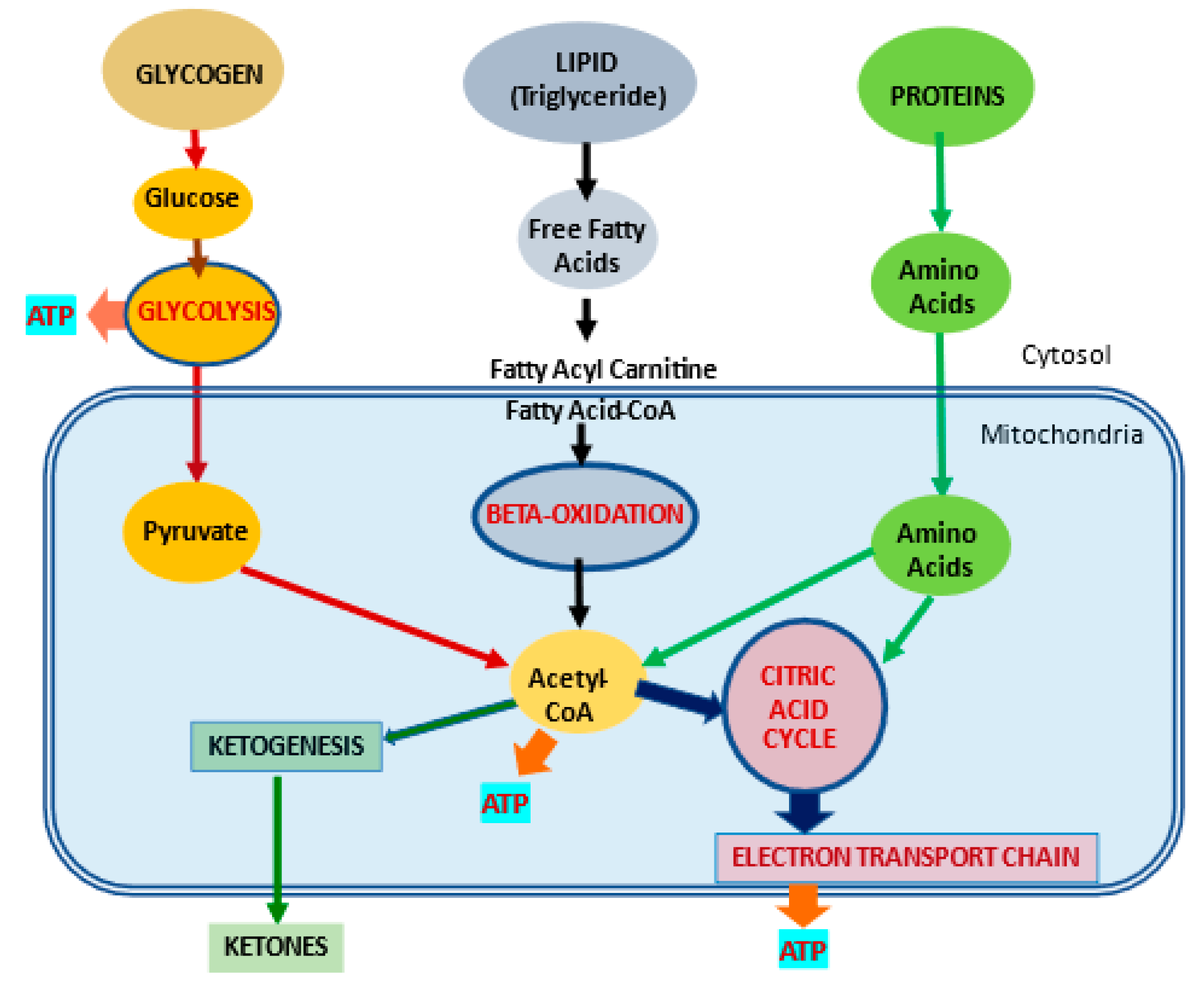
The blunted inhibition of hexokinase by glucose-6-phosphate is important not only for allowing high rates of upstream glycolysis and ensuring avid glucose uptake from the extracellular space, but also because glucose-6-phosphate may originate from galactose (through glucose-1-phosphate), glycogen (through glycophagy and/or glycogenolysis), and ribose (through the pentose phosphate pathway forming fructose-6-phosphate), (Fig
Astrocytes further contribute to neurotransmitter metabolism, particularly in the regulation of glutamate homeostasis, which is crucial for maintaining sleep stability
In addition, the disruption in gut microbial community composition that often occurs in response to enteric pathogens, as well as environmental and genetic factors, is also associated with impaired gut barrier integrity
Chronic fatigue or weakness 3 Phases of Liver Detoxification Protecting your liver through diet and lifestyle is critical
Thiamine specifically helps the body convert carbohydrates to energy, which is important for metabolism, focus and strength