Vol. XVIII · Free shipping $75+ · Read the collection
Feature · Product Review
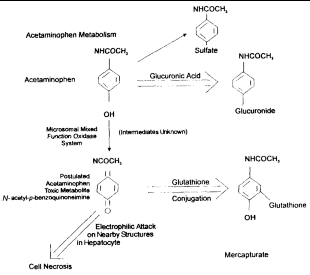
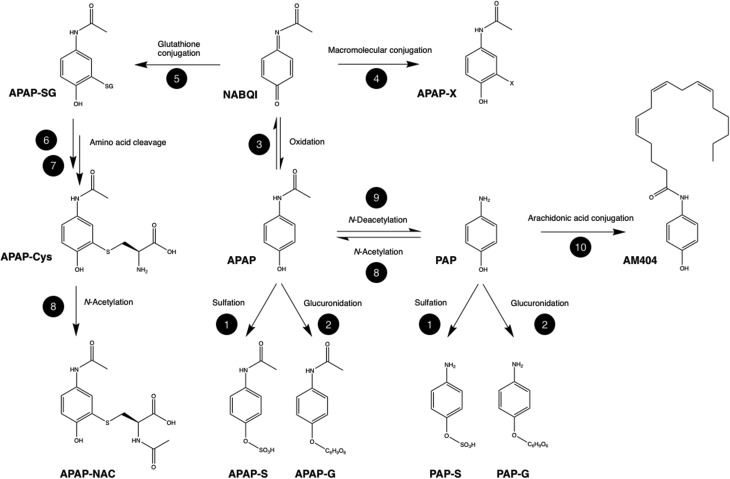
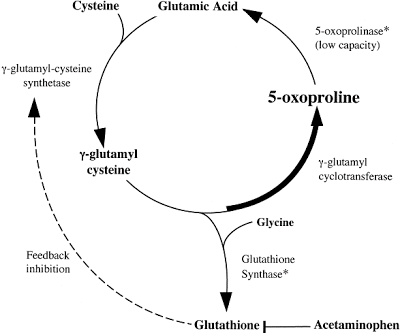
acetaminophen glutathione metabolism

acetaminophen glutathione metabolism 5-Oxoprolinuria as a Cause for Metabolic Acidosis Mechanisms of acetaminophen hepatotoxicity and

Mechanisms of acetaminophen hepatotoxicity and their translation to the human pathophysiology PMC Glutathione in Health and Disease Typical biotransformation of acetaminophen when taken at therapeutic Download Scientific Diagram acetaminophen hepatic glutathione Full article: Paracetamol (acetaminophen) overdose and hepatotoxicity: mechanism, treatment, prevention measures, acetaminophen effect on glutathione levels View of Acetaminophen, the missing anion gap in the patient with metabolic acidosis The Metabolism of Paracetamol metabolism, hepatotoxicity, biomarkers and therapeutic interventions: a perspective PMC

SKU: 85567881440 · From elitechmx.com

4.0
USD22.39 USD44.39

Pay in 4 interest-free payments of $5.60 Learn more

Shipping Estimate
USA
  • USA
  • CAN

Ships within 48 hours · Estimated delivery Jul 31 - Aug 5

Description

Quality matters, look for Japan-grade ingredients and gentle, melanin-friendly brightening

acetaminophen glutathione metabolism 5-Oxoprolinuria as a Cause for Metabolic Acidosis Mechanisms of acetaminophen hepatotoxicity and

Benefits of BPC-157 Accelerated Healing: BPC-157 supports the repair of muscles, tendons, and ligaments, making it an excellent option for athletes or anyone recovering from physical trauma

acetaminophen glutathione metabolism 5-Oxoprolinuria as a Cause for Metabolic Acidosis Mechanisms of acetaminophen hepatotoxicity and

BPC-157 Thymosin Beta 4 may improve nervous system health by decreasing inflammation and oxidative stress, protecting neurons, and encouraging tissue repair and cell migration

acetaminophen glutathione metabolism 5-Oxoprolinuria as a Cause for Metabolic Acidosis Mechanisms of acetaminophen hepatotoxicity and

ASA ruling Advertising Standards Authority

acetaminophen glutathione metabolism 5-Oxoprolinuria as a Cause for Metabolic Acidosis Mechanisms of acetaminophen hepatotoxicity and

Glutathione converts eumelanin to pheomelanin, thus regulating the melanogenesis with or without exposure to the sun

acetaminophen glutathione metabolism 5-Oxoprolinuria as a Cause for Metabolic Acidosis Mechanisms of acetaminophen hepatotoxicity and

Amlodipine showed low binding energies to these hydrolases (6.3, 6.2, and 5.3 kcal/mol, respectively) (Table 2

acetaminophen glutathione metabolism 5-Oxoprolinuria as a Cause for Metabolic Acidosis Mechanisms of acetaminophen hepatotoxicity and
Exchange/Return Notes
  • We offer a 30-day return/exchange service after receiving.
  • Final sale items are not eligible for returns or exchanges.
  • To process your return/exchange, please contact us at [email protected]
  • Please click here for more details>>> Return & Exchange Policy

You may also like

recommand products