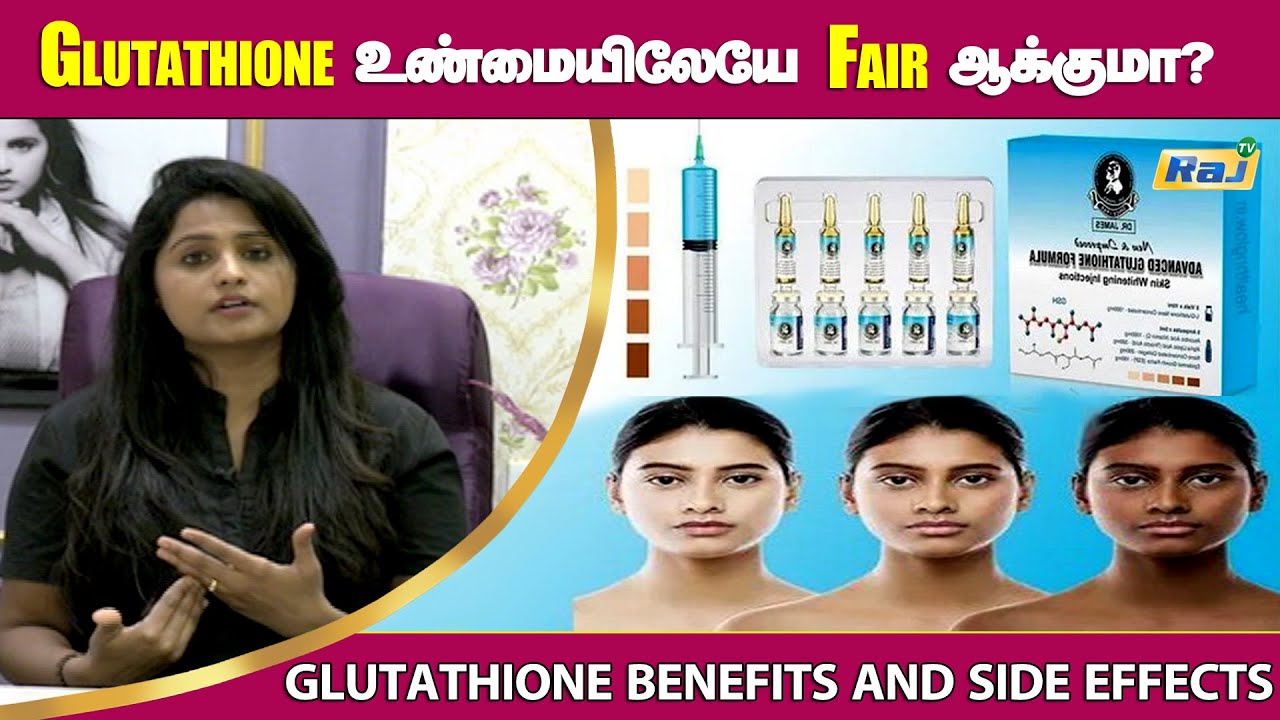
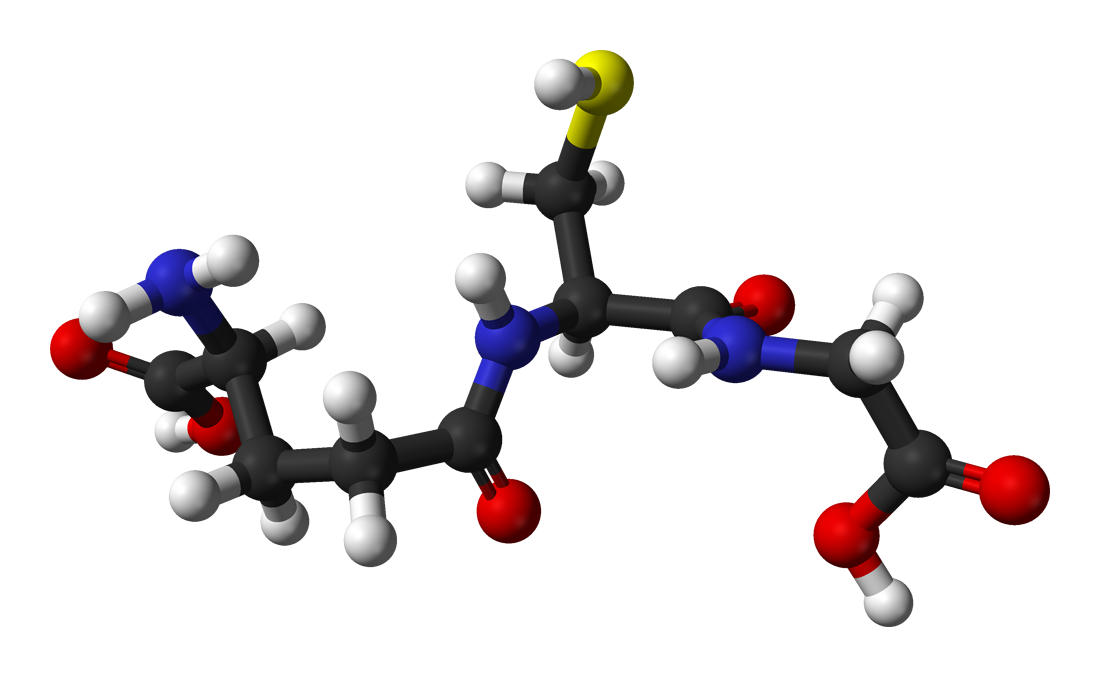
Many patients choose the injectable format for its simple, once-daily routine
Mar 17 2015;(3):Cd011345
Abdalla AME, Xiao L, Ullah MW, Yu M, Ouyang C, Yang G
What You Will Self-Study Module 1: Scientific Foundations of NAD The biochemistry of NAD Cellular metabolism & mitochondrial function NAD and ageing pathways DNA repair and oxidative stress Clinical rationale for supplementation Module 2: Evidence-Based Treatment Protocols NAD IV infusion protocols Glutathione integration strategies Adjunctive NAD support (IV, IM, oral) Contraindications and patient screening Protocol structuring and dosage rationale Module 3: IV Cannulation Principles (Theory-Based) Suitable venous access sites Cannula selection & preparation Step-by-step theoretical technique overview Monitoring during infusion Risk awareness and complication management Module 4: Professional Standards & Clinical Governance Prescriber workflow Scope of practice clarity Legal and regulatory considerations Pricing Strategies Additional Materials Included Unbranded Consent Form Template Independent Prescriber Email Template Patient Specific Direction Template Prescriber Authorisation Request Form IV Observation Chart Learning Outcomes On completion of this online programme, delegates will: Understand the scientific rationale behind NAD+ IV therapy Confidently assess patient suitability Design structured, evidence-informed infusion protocols Apply robust safety and monitoring principles Integrate longevity-focused treatments responsibly into practice Course Details This is a structured self-study online course, allowing you to complete the training at your own pace

das metabolische Syndrom gezhlt wird chronische Entzndungen (oxidativer und nitrosativer Stress) Diabetes mellitus rheumatoide Arthritis Arteriosklerose und andere Herz-Kreislauf-Erkrankungen Weitere wichtige Anwendungsmglichkeiten beruhen darauf, dass mit der Eumetabol Glutathion-Infusion oxidativer Stress gemindert wird und die gesunden Funktionen der Mitochondrien der Kraftwerke der Zelle erhalten werden
doi:10.1089/acu.2008.0640