What the research actually shows The online peptide conversations tend toward two extremes that both miss the real picture: The first is uncritical hype treating every compound as a proven cure
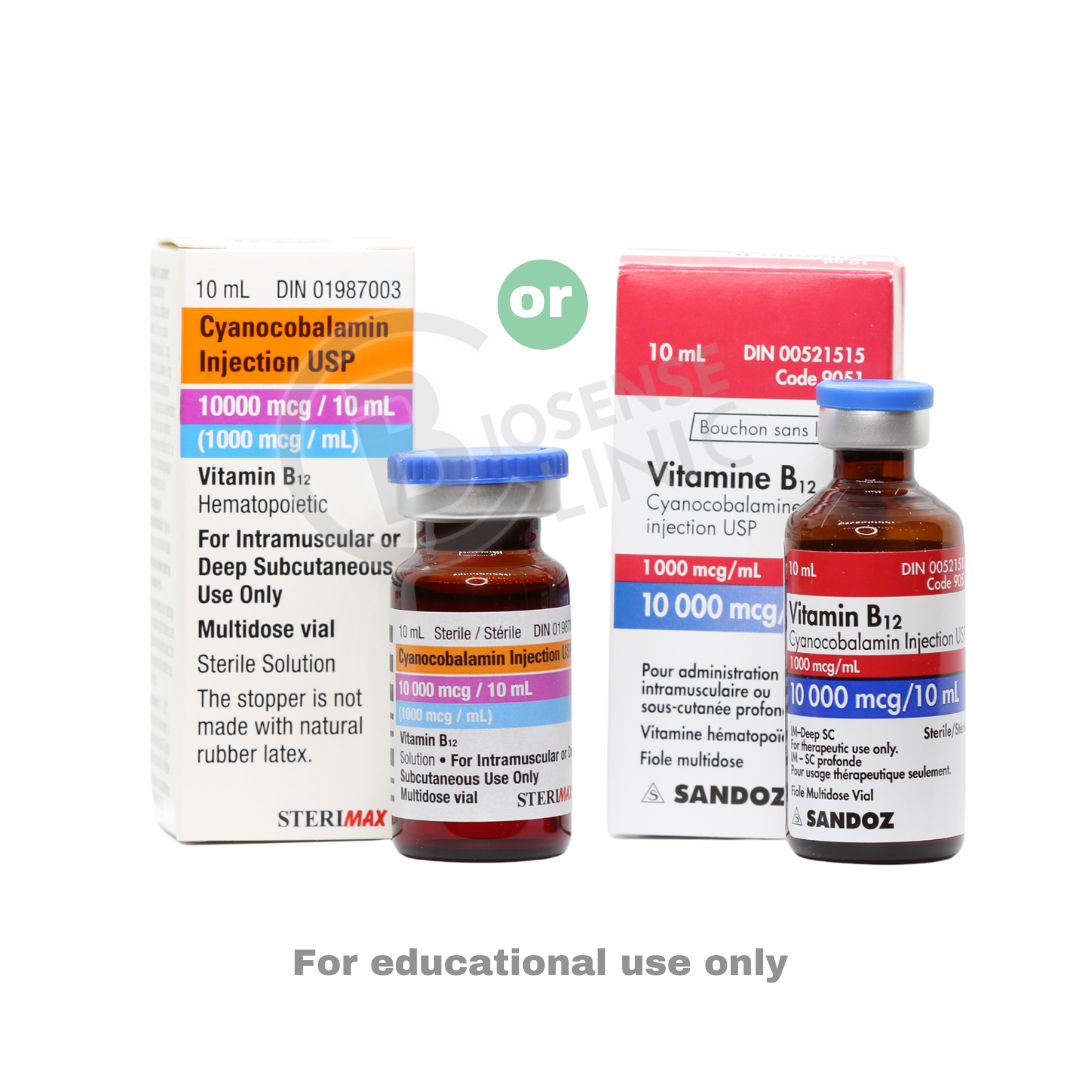
The National Institutes of Health recommend the following daily dosage of vitamin B12: Birth to 6 months: 0.4 micrograms Infants 712 months: 0.5 micrograms Children 13 years: 0.9 micrograms Children 48 years: 1.2 micrograms Children 913 years: 1.8 micrograms Teens 1418 years: 2.4 micrograms Adult men and women 1850 years: 2.4 micrograms Adult men and women over 50 years: 25250 micrograms Women who are pregnant: 2.6 micrograms Women who are breastfeeding: 2.8 micrograms Adults over the age of 50 are at a greater risk of vitamin B12 deficiency because they tend to produce less stomach acid, which is needed to convert the vitamin properly
The needle length depends on the amount of adipose (fat) and muscle tissue
Using U-40 calculations on a U-100 syringe causes a 2.5x dosing error
For mechanistic studies, pathway-specific inhibitors , including NO synthase inhibitors for BPC-157 NO-dependent mechanism studies, PI3K inhibitors for TB-500 PI3K/Akt mechanism studies, and growth hormone receptor antagonists for BPC-157 GHR-mediated effects , are important for attributing observed effects to specific molecular mechanisms within each peptides pathway
These self-injected compounds are recovery shortcuts, reduce wrinkles, melt belly fat and are anti-aging with strong and incredible effects