damaging thresholds Performance enhancement - ethical research implications Regenerative Medicine Muscular dystrophy research Injury rehabilitation protocols Tissue engineering - muscle construct development Stem cell therapies - satellite cell transplantation Metabolism Research Glucose uptake mechanisms Lipid metabolism effects Insulin sensitivity interactions Body composition changes Dosing and Research Protocols For research applications, IGF-1 LR3 is typically studied at various concentrations depending on the model system: Cell Culture Studies nM to M range concentrations Dose-response curves commonly established Time-course experiments leverage long half-life Animal Research Varies by species, route, and objective Subcutaneous, intramuscular, systemic administration routes Extended half-life allows less frequent dosing LyzeLabs IGF-1 LR3 Variants We offer research-grade IGF-1 LR3 in configurations suited to different study scales: IGF0_1 : 0.1mg 10 vials - Pilot studies, cell culture IGF1 : 1mg 10 vials - Standard research protocols View IGF-1 LR3 pricing and specifications Storage and Handling Lyophilized Form Storage : -20C long-term Stability : 2+ years when properly stored Protection : Keep from light and moisture Reconstituted Form Reconstitution : Use sterile water, saline, or appropriate buffer Storage : 2-8C after reconstitution Stability : 2-4 weeks refrigerated Avoid : Freeze-thaw cycles, vigorous agitation Peptide Integrity IGF-1 LR3 is a larger peptide sensitive to degradation

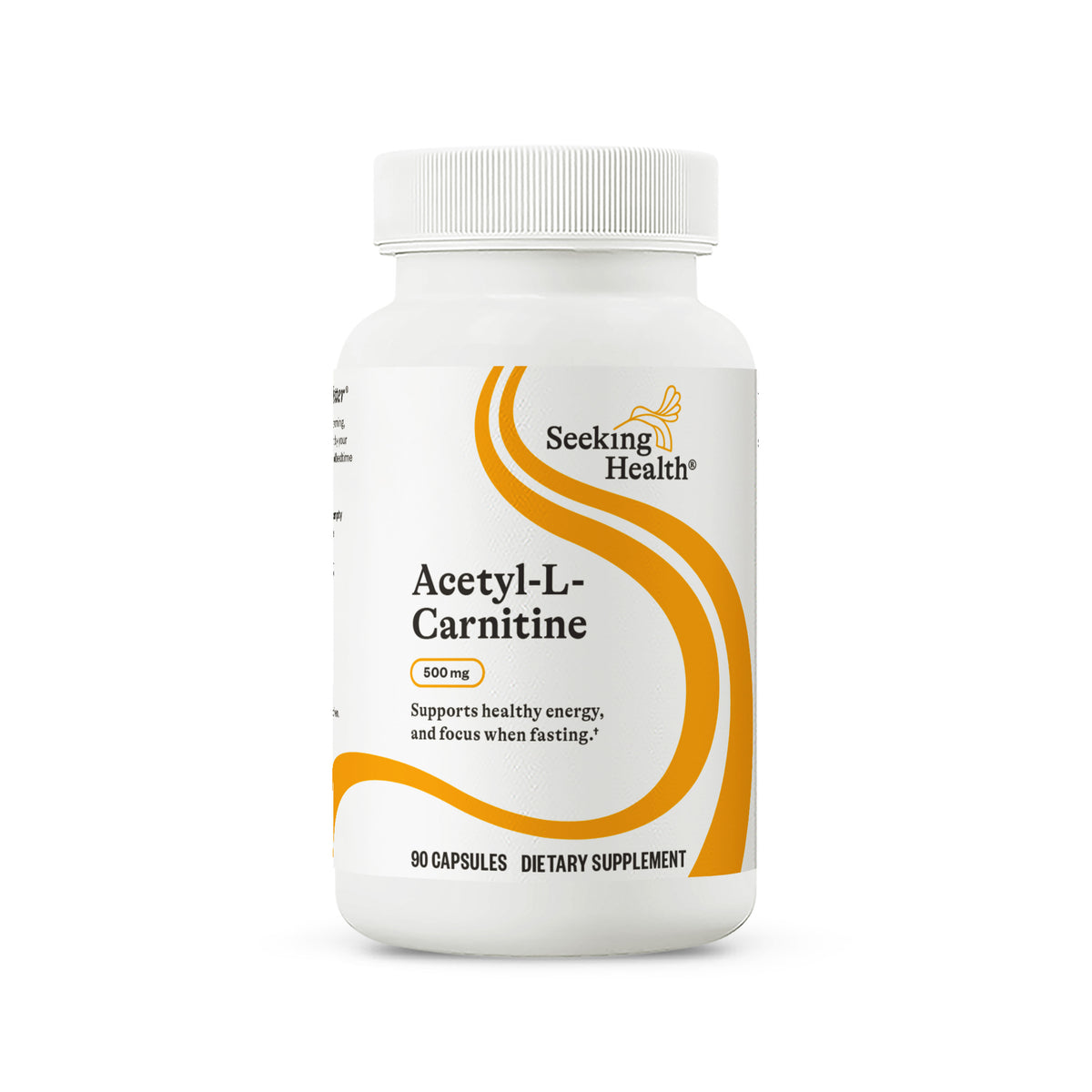
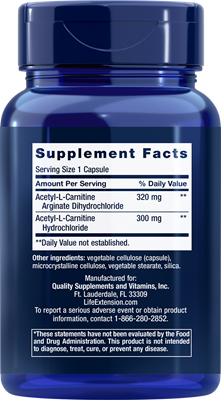
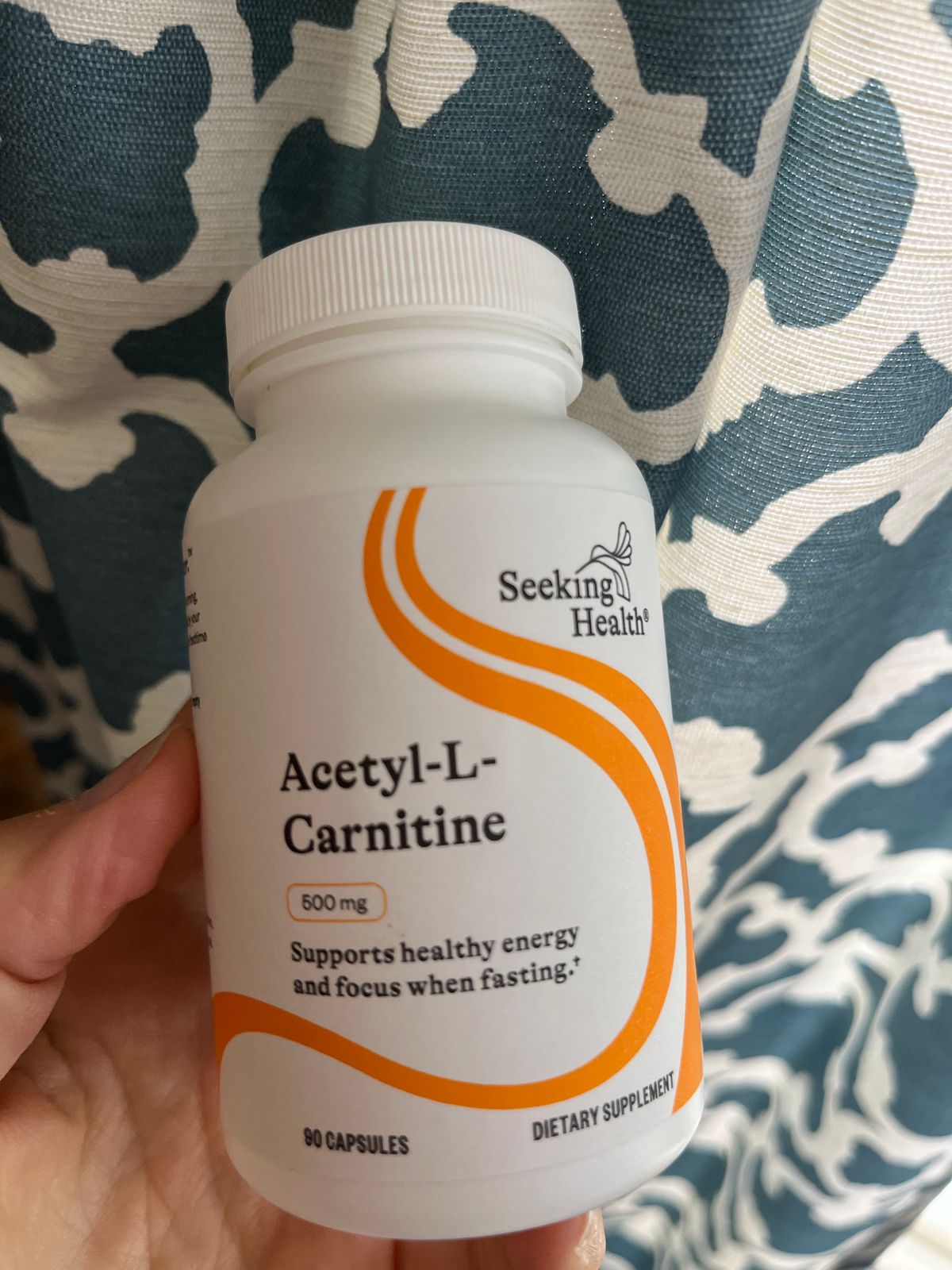
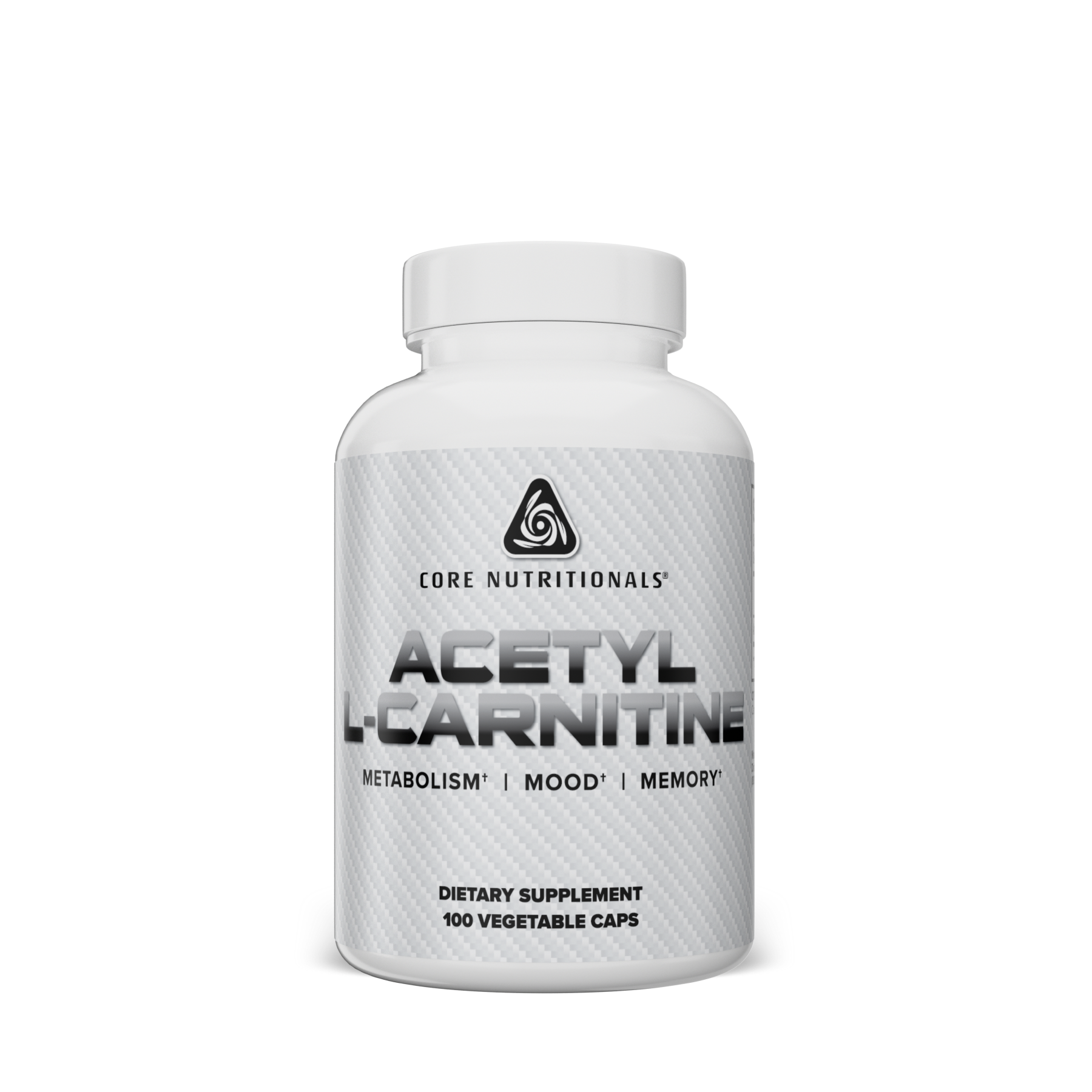
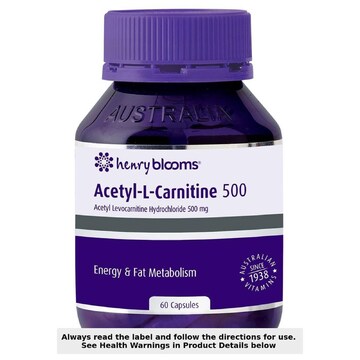
L-carnitine supports energy use and fat handling, but the polished result comes from how the whole routine fits together
Also, ginsenosides, the active components of ginseng, exhibit protective effects against inflammation, oxidative stress, and apoptosis, making them promise to treat various conditions
Photography comparison becomes useful during this phase
There are, however, drawbacks to this technique
Neuropsychopharmacology 44:235236