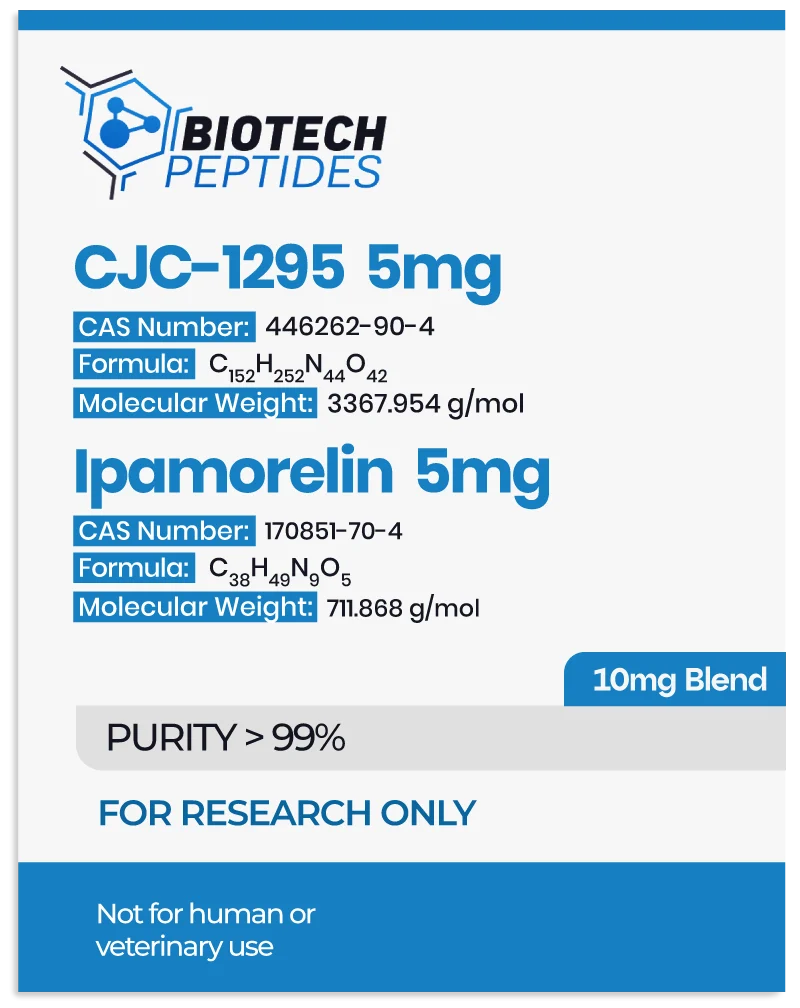
They are very helpful and responsive to questions
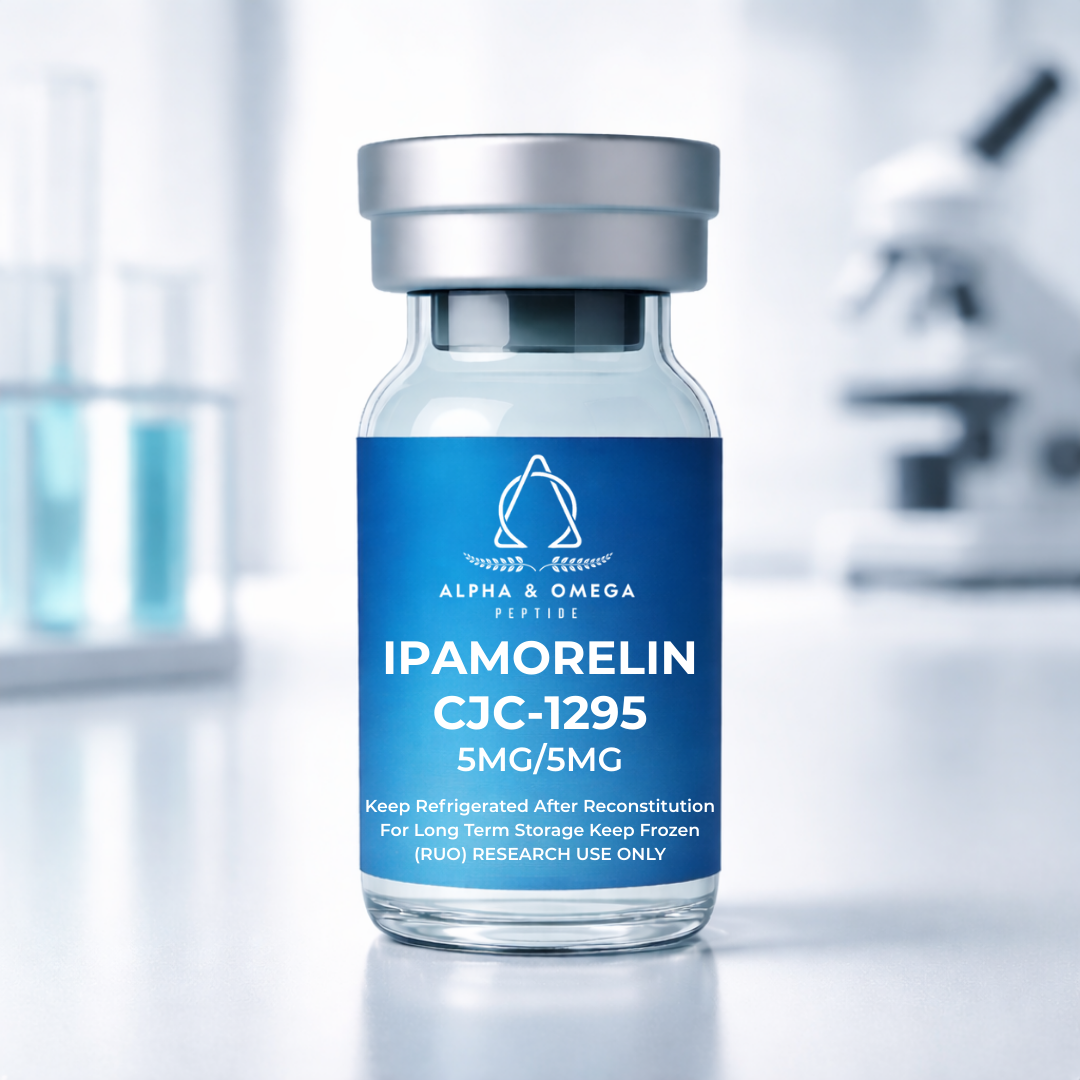
Dosage and Protocols of CJC-1295 and Ipamorelin In human trials 5 , single subcutaneous injections of CJC-1295 at ~ 30-60 g/kg produced dose-dependent increases in GH and IGF-1 for 69 days post-dose
Related Products Image coming soon B Complex 10 x 2ml 30.00 - + Add to cart Image coming soon Vitamin C 10 x 5ml 1000mg 40.00 - + Add to cart Image coming soon Glutathione 600mg x 10 75.00 - + Add to cart Image coming soon Vitamin C 10 x 5ml 500mg 30.00 - + Add to cart Need Help
Key Points Male infertility is a complex lifestyle-related disorder Oxidative stress has adverse effects on the structural and functional integrity of sperm and is a major cause of defective sperm function and male infertility Oxidative stress causes damage to both mitochondrial and nuclear DNA and also affects the sperm epigenome, resulting in infertility, recurrent pregnancy loss, poor pregnancy outcomes and an increased disease burden in the offspring Spermatozoa are most vulnerable to oxidative stress and oxidative DNA damage (ODD) as these cells have limited antioxidant defence mechanisms and a limited capacity for detection and repair of DNA damage A number of intrinsic and extrinsic factors can regulate oxidative stress, and these must be maintained at moderate levels for optimal sperm function and the maintenance of cellular homeostasis and redox-sensitive signal-transduction pathways Simple lifestyle modifications and interventions can substantially reduce levels of testicular inflammation, oxidative stress and ODD and improve the quality of life of infertile couples Abstract DNA damage, largely owing to oxidative stress, is a leading cause of defective sperm function
Muscle Nerve 34(4):391405
Frontiers in Cellular and Infection Microbiology 13: 1207225 Pommeret F, Colomba J, Bigenwald C, Laparra A, Bockel S, Bayle A, Michot J-M, Hueso T, Albiges L, Tiberghien P (2021) Bamlanivimab+ etesevimab therapy induces SARS-CoV-2 immune escape mutations and secondary clinical deterioration in COVID-19 patients with B-cell malignancies